10 Traditional Wedding Invitation Card Designs for Desi Weddings
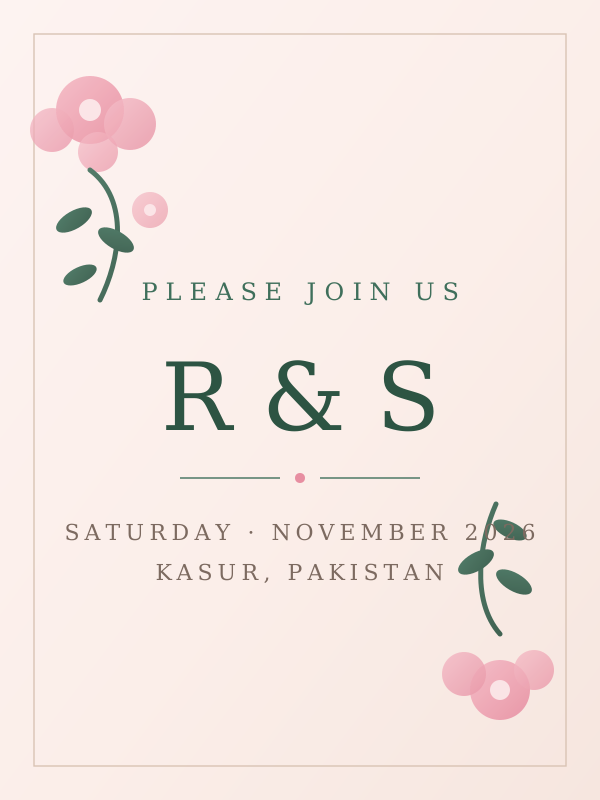
From Mughal arches to gold foil and floral watercolor, here are ten traditional designs worth copying.
What makes a traditional invitation feel timeless
Traditional Desi wedding cards rely on a few proven ingredients: symmetry, richness, and motifs that have decorated ceremonies for generations. Getting these right matters more than adding more decoration.
Whether you print your card or send a digital wedding invitation card, the same design principles apply, so choose a style that carries your events with dignity.
Ten designs to consider
- Mughal arch and jali lattice in deep red and gold.
- Gold foil monogram on an ivory background.
- Maroon and gold with a central domed medallion.
- Blush pink and emerald watercolor florals.
- Royal navy with anti‑tarnish gold foil accents.
- Rustic botanical arch with terracotta and sage.
- Peacock and floral motifs on a jewel‑toned ground.
- Minimal Islamic geometric pattern with a thin gold border.
- Layered envelope‑style card with an ornate wax seal.
- Ivory and rose‑gold with hand‑lettered calligraphy.
Colors that work for every ceremony
Red and gold remain the classic choice for Mehndi and Baraat. Ivory with rose gold suits Nikah and Walima, while navy and emerald give younger guests a fresh, contemporary feel.
Match the design to each event
Pair a bold, festive design with Mehndi and Baraat, and a calmer palette with a formal Walima dinner. Using one template with different accent colors keeps the family of invitations consistent.
Traditional design in a digital invite
Digital invites let you keep traditional motifs, then add motion, petals and an RSVP button. Guests get the heritage look they expect, with the convenience of replying on their phone.